
Blogging and Podcasting: How to Repurpose Your Blog Into a Revenue-Generating Audio Brand
Most bloggers think podcasting is a separate project. A new platform. A new commitment. A new workload they don’t have time for.
That thinking is exactly why so many bloggers leave money, traffic, and authority on the table.
If you already publish blog content, you are sitting on a ready-made podcast. Not someday. Not “after you buy better equipment.” Right now.
The most successful bloggers are no longer choosing between blogging and podcasting. They’re using blogging as the foundation and audio as the amplifier. Same ideas. Same expertise. Same content. Just delivered in a format that builds trust faster and reaches people who don’t read blogs anymore.
This article walks through exactly how to turn your existing blog into a podcast-powered brand that drives traffic, builds authority, and creates new monetization paths—without burning yourself out or starting from scratch.
Why Bloggers Have a Built-In Podcasting Advantage
Podcasting favors people who already know how to organize ideas clearly, explain concepts logically, and speak to a defined audience. Bloggers already do all three.
When someone starts a podcast with no content background, they struggle with structure. Episodes ramble. Topics wander. The value is inconsistent. Bloggers don’t have that problem because blog posts are already structured narratives.
A strong blog post already contains:
- A hook
- A clear topic
- Supporting points
- Examples
- A conclusion or takeaway
That’s a podcast episode waiting to happen.
There’s also a trust advantage. Readers who follow your blog already recognize your voice, your opinions, and your teaching style. When they hear you speak, that trust deepens quickly. Audio feels personal. It creates a sense of connection that text alone rarely matches.
From a business standpoint, this matters because trust is what converts. Podcast listeners are more likely to click links, join email lists, and buy products than casual blog readers.
You’re not adding work. You’re extracting more value from work you’ve already done.
Choosing the Right Blog Content to Turn Into Audio
Not every blog post should become a podcast episode, especially at the beginning. The goal is leverage, not duplication for its own sake.
Start with content that translates naturally into spoken language.
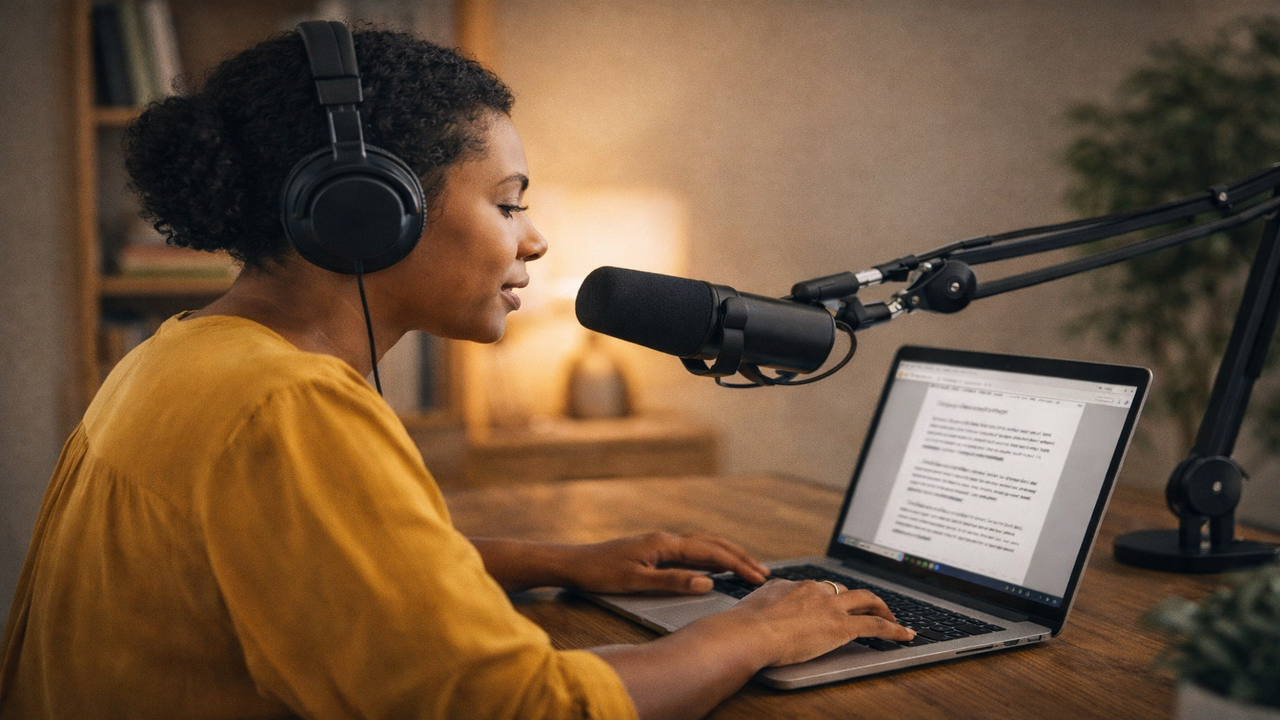
Evergreen blog posts are ideal. Tutorials, guides, opinion pieces, and strategy articles perform well in audio format because they don’t rely heavily on visuals. If a post teaches, explains, or persuades, it can usually be spoken with minimal editing.
Your highest-traffic posts are another strong starting point. These topics already have demand. Turning them into audio gives that demand a new entry point. Some people prefer reading. Others prefer listening while driving, walking, or working.
Avoid highly visual walkthroughs early on. Step-by-step image tutorials, design breakdowns, or posts that rely heavily on screenshots can still work later, but they require more adaptation.
A practical rule is simple: if you can imagine explaining the article out loud to a friend without needing to point at a screen, it’s a good podcast candidate.
Turning a Blog Post Into a Podcast Episode Without Rewriting Everything
One of the biggest mistakes bloggers make is thinking they need to rewrite posts from scratch for audio. That’s unnecessary and usually counterproductive.
Instead, think in terms of audio smoothing rather than rewriting.
Written content is often denser than spoken content. Readers can reread a sentence. Listeners can’t. The goal is to make the content sound natural without stripping away substance.
Start by removing visual references. Phrases like “as you can see below” or “check out the screenshot” don’t work in audio and should be replaced with brief explanations or removed entirely.
Next, add a conversational introduction. This doesn’t need to be long or polished. A simple explanation of what the episode covers and who it’s for is enough. You’re orienting the listener, not performing.
As you move through the article, read it aloud and listen for sentences that feel awkward when spoken. Long compound sentences often need to be split. Dense paragraphs can be broken into shorter spoken thoughts.
Finally, add a clear ending. Audio needs closure. Let listeners know what to do next—visit a related post, join your email list, or check out a resource you mentioned.
This process is faster than writing a new episode from scratch and far more sustainable over time.
Recording Without Turning Podcasting Into a Technical Nightmare
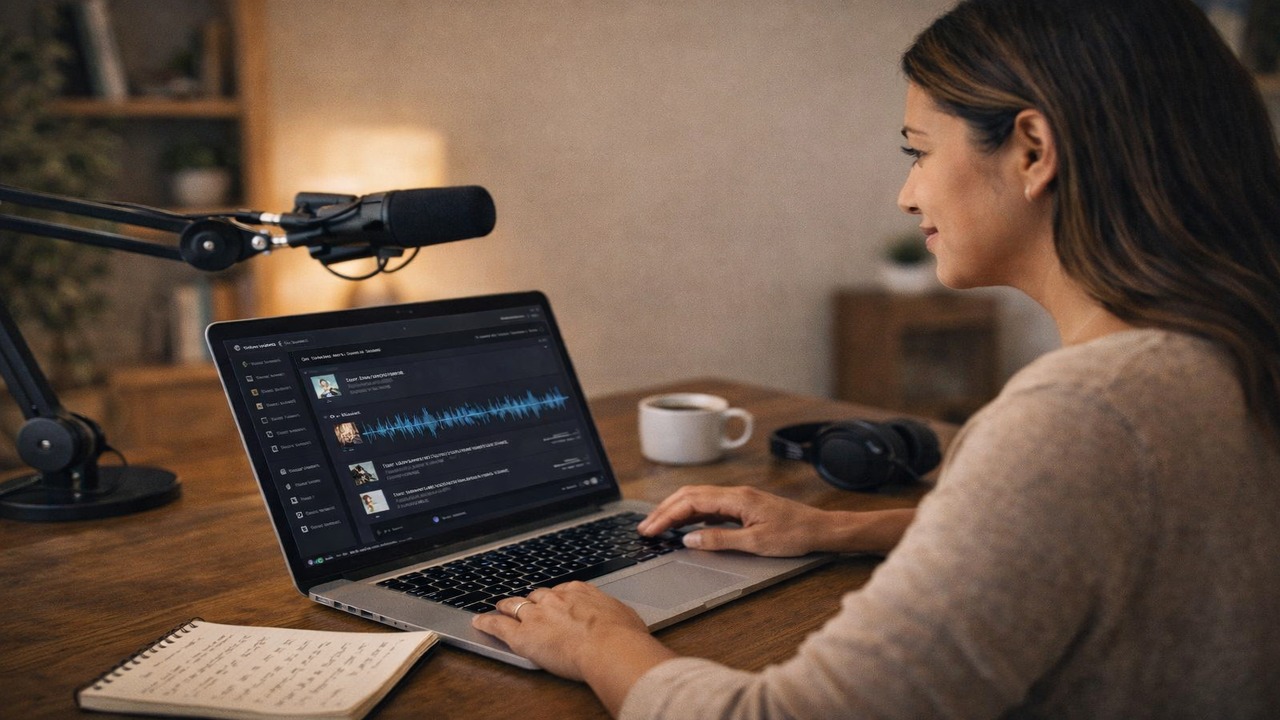
You do not need a studio. You do not need advanced audio knowledge. You do not need to sound like a radio host.
You need clarity and consistency.
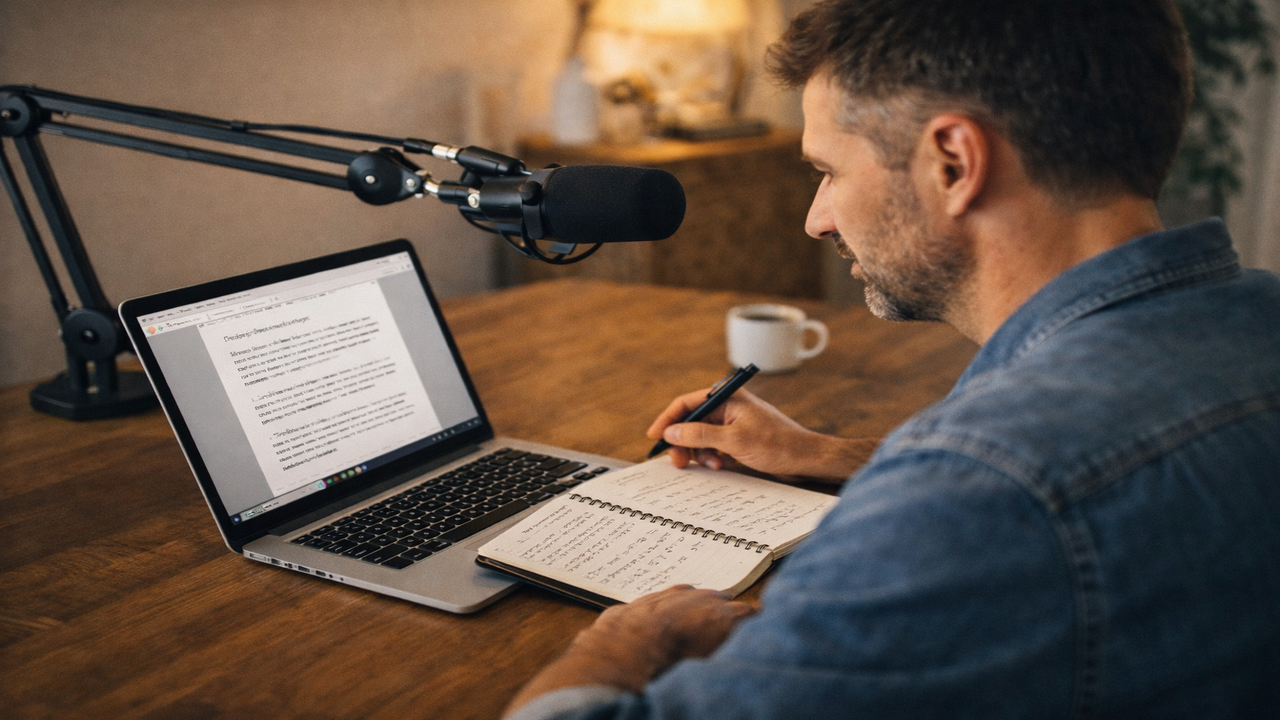
Recording in a quiet room with minimal echo is more important than expensive equipment. Many successful podcasts started with basic microphones and improved later. Listeners forgive simple audio. They don’t forgive wasted time or unclear ideas.
Record naturally. You’re not performing. You’re explaining. Imagine you’re speaking to one person who wants help with the topic. That mindset keeps your tone grounded and conversational.
Batch recording is a major advantage for bloggers. Since the content already exists, you can record multiple episodes in one sitting. This reduces friction and makes podcasting fit into a blogging workflow instead of competing with it.
Perfection slows everything down. Minor stumbles, pauses, or imperfect phrasing are normal. Clean audio matters more than flawless delivery.
Recommended Mic for Bloggers Starting a Podcast
If you want professional-sounding audio without turning podcasting into a technical project, the Shure MV7 is a strong choice. It plugs directly into your computer via USB, works well in normal home offices, and doesn’t require extra equipment to get started. The dynamic design helps reduce background noise, and it also supports XLR if you decide to upgrade your setup later.
Why it works for bloggers: simple setup, clean voice audio, and room to grow without replacing your mic.
Where to Publish Your Blog-Based Podcast
Distribution is where blogging and podcasting intersect in powerful ways.
Your blog remains the home base. Each podcast episode should have a corresponding blog post or updated version of an existing one. Embedding the audio player directly into the post increases time on page and gives readers a choice between reading and listening.
For external distribution, focus on major platforms first. Publishing to directories like Apple Podcasts and Spotify gives your content immediate reach without additional promotion. These platforms function like search engines for audio.
You can also repurpose podcast audio for platforms like YouTube by pairing it with a static image or simple waveform. This adds another discovery channel without creating video content from scratch.
Email is another overlooked distribution channel. Let subscribers know when a new episode is live. Some will listen instead of reading. Others will do both.
The key is consistency, not everywhere-at-once distribution. Start small. Expand once the workflow feels stable.
Monetization Strategies That Work Especially Well for Blog-First Podcasts
Podcast monetization doesn’t require massive download numbers, especially when the podcast supports an existing blog.
Affiliate mentions are the most natural starting point. If you already recommend tools, resources, or services in your blog posts, mentioning them in audio feels organic. Spoken recommendations often convert better because listeners trust your voice and context.
Lead generation is another strong option. Podcast listeners are often more engaged than casual readers. A simple call-to-action directing them to a free guide, checklist, or email course can significantly boost list growth.
Digital products pair extremely well with audio. Courses, templates, and guides feel more credible when listeners hear the creator explain the ideas behind them. Audio reinforces authority and reduces buyer hesitation.
Sponsorships come later, but they’re not reserved for massive shows. Niche podcasts with targeted audiences can attract sponsors even with modest listener numbers. The key metric is relevance, not scale.
The biggest mistake is launching a podcast without a monetization plan. Audio builds trust, but trust should lead somewhere. Decide early what the podcast supports so every episode reinforces that direction.
How Audio Strengthens Blog SEO Instead of Competing With It
Some bloggers worry that podcasting distracts from SEO. In practice, it often strengthens it.
Embedded audio increases engagement metrics. When visitors spend more time on a page listening, it sends positive signals about content quality and relevance.
Podcasting also increases branded searches. Listeners remember names. They search for you directly. That brand recognition compounds over time and benefits every piece of content you publish.
Transcripts add another layer of value. Publishing episode transcripts or lightly edited versions creates additional indexable content without starting from scratch.
Most importantly, podcasting diversifies traffic sources. You’re no longer dependent on search alone. That resilience matters as algorithms change and competition increases.
Audio doesn’t replace SEO. It reinforces it.
Common Mistakes Bloggers Make When Starting a Podcast
The most common mistake is trying to sound like a professional broadcaster instead of a helpful expert. Forced enthusiasm and scripted delivery often feel less authentic than a calm, explanatory tone.
Another mistake is overcommitting. Weekly schedules sound impressive, but lead to burnout fast. Consistency matters more than frequency. Biweekly or even monthly episodes can work if the content is strong.
Many bloggers also fail to promote episodes properly. Publishing without embedding episodes into blog posts or mentioning them in email newsletters limits reach unnecessarily.
Finally, some podcasters create content without a clear goal. Every episode should support a larger objective, whether that’s traffic, list growth, or product sales.
Clarity prevents wasted effort.
A Simple 30-Day Blog-to-Podcast Launch Plan
The most effective way to start is with a short, focused launch window.
In the first week, select five blog posts that perform well or represent core topics. Lightly edit them for audio and outline simple intros and conclusions.
The second week is for recording. Batch all episodes. Don’t overthink editing. Clean audio and clear pacing are enough.
In week three, publish and embed episodes into corresponding blog posts. Update posts with brief audio introductions and listening options.
The final week is promotion. Mention episodes in your email list, share them on social platforms you already use, and monitor engagement.
By the end of 30 days, you’ll have a functioning podcast without disrupting your blogging workflow.
Frequently Asked Questions
Do I need expensive equipment to start podcasting?
No. Clear audio recorded in a quiet environment matters far more than premium gear.
Should I rewrite blog posts completely for audio?
No. Light editing for conversational flow is usually sufficient.
How long should blog-based podcast episodes be?
Long enough to deliver value. Many effective episodes fall between 15 and 30 minutes, but content quality matters more than length.
Can a small blog monetize a podcast?
Yes. Niche audiences often convert better than large, general ones.
Is podcasting worth it if I already rank well in search?
Yes. Audio builds brand loyalty and protects against traffic volatility.
Why Blogging and Podcasting Work Better Together Than Alone
Blogging builds authority through depth. Podcasting builds connection through voice. Together, they create a brand that feels both knowledgeable and human.
You don’t need to become a podcaster instead of a blogger. You just need to stop letting your best ideas live in only one format.
Your blog already contains the raw material. Audio is simply the next layer of leverage.
Start with one post. One episode. One experiment.
That’s how sustainable, revenue-generating content brands are built.

Learning analytics on your own can feel overwhelming. That’s why having a proven roadmap and supportive community makes all the difference. Platforms like Wealthy Affiliate not only teach you how to grow traffic but also how to interpret analytics in a way that turns numbers into income. Instead of wasting months on guesswork, you’ll know exactly which metrics to prioritize and how to act on them.